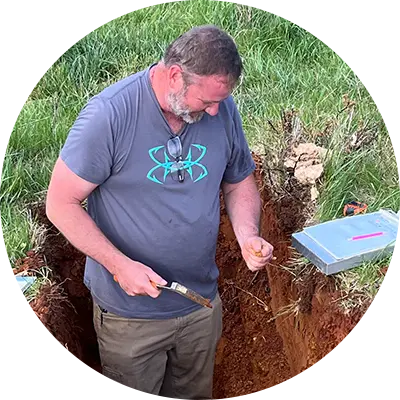

Soil and Site Evaluations
Your One-Stop-Shop
At Greenway Environmental Services, our soil and site evaluations give property owners, builders, and buyers the critical information needed to make confident decisions about land use and development. From preliminary site walkovers and perc testing to full system design, permitting, and final inspection, Greenway is your one-stop shop for navigating every step of the process in compliance with Virginia Department of Health standards and local county regulations.
Virginia Standards for Onsite Wastewater Disposal
The Virginia Department of Health (VDH) establishes minimum standards for onsite wastewater disposal, methods of practice, and quantitative and qualitative standards. Local counties can individually amend more stringent local regulations and blend county and subdivision ordinance with the onsite wastewater disposal regulations.
A number of parameters involving soil type, depth, structure, color, consistency, and texture determine a property’s ability to absorb, treat, and dispose of wastewater. Other property characteristics including topography, landscape, proximity to other onsite wastewater disposal systems and potable wells, determine the location, size, and type of drainfield that may be approved for the particular property.
Soil Study
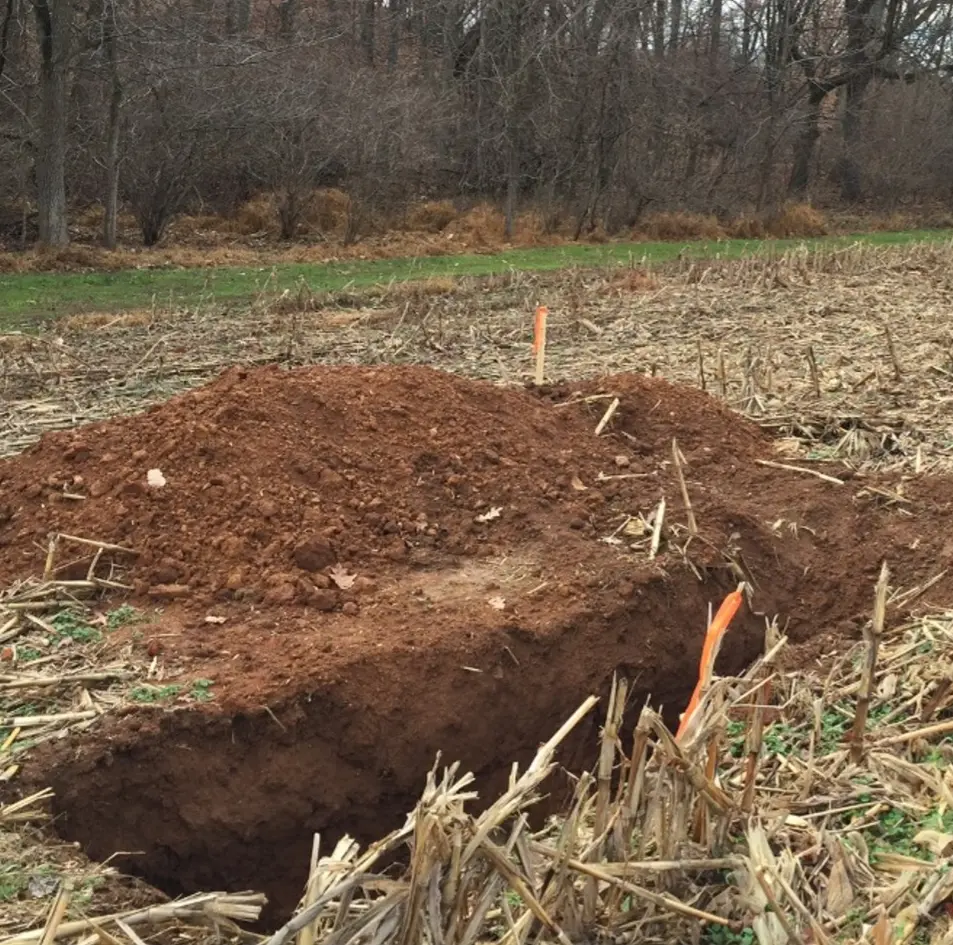
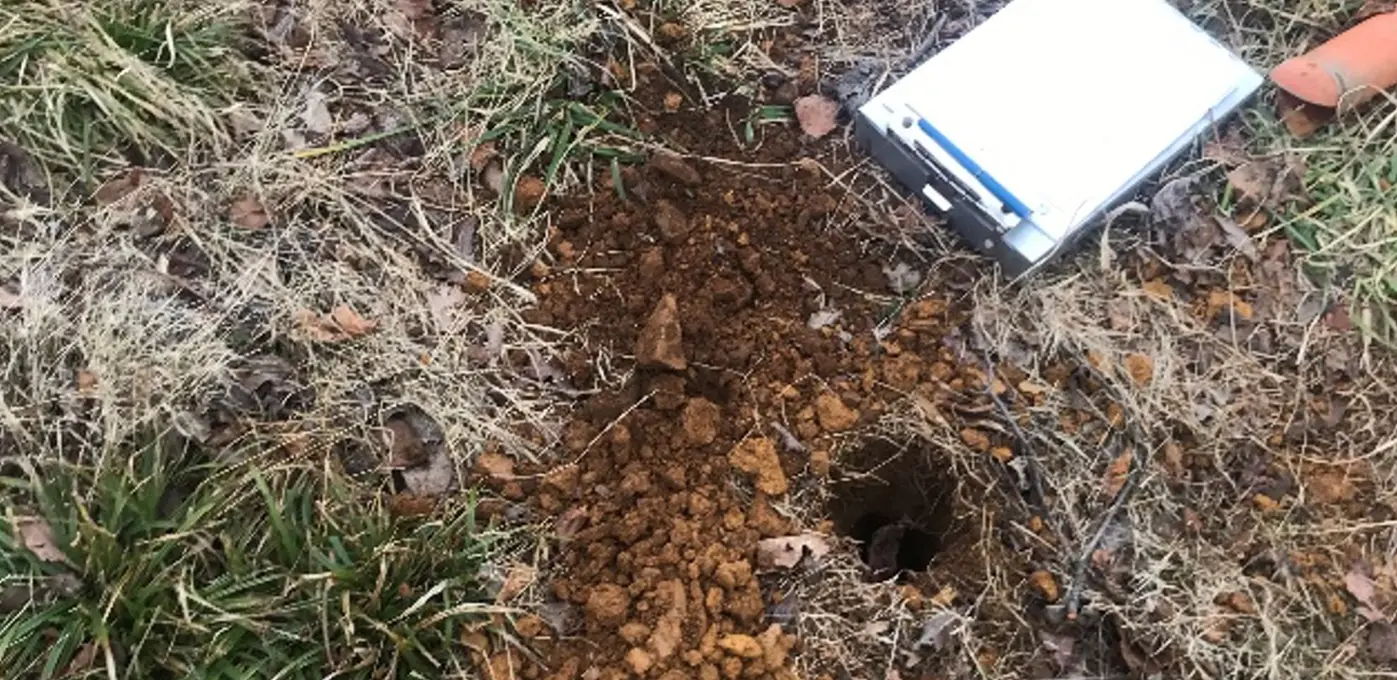
A soil study is a valuable tool in determining the suitability and ultimately the value of a property. Our experienced soil scientists can perform a soils study to determine if a drainfield, conventional or alternative, site can be approved. We can provide a preliminary walkover review, feasibility study, testing, inspections, and a full soil and site evaluation study.
Alternative Onsite System Design
Our alternative onsite system design team provides all of the necessary details and specifications for installation of a complete alternative wastewater disposal system. Our plans are specifically designed to suit the site’s characteristics, client preferences, county-specific requirements, and location of drainfield, well, and house.
AOSS Inspections, Maintenance, and Monitoring
Greenway Environmental Services has the experience, training, and resources to offer comprehensive AOSS (Alternative Onsite Sewage System) inspections, maintenance, and monitoring to homeowners with onsite conventional and alternative wastewater disposal systems.
Since 2011, Virginia regulations require the owners of Alternative Onsite Sewage Systems to have their system operated and maintained by a licensed operator. Our team includes certified AOSS operators that can assist property owners in maintaining compliance with all state regulations. We provide an unbiased and independent environmental inspection and will not recommend unnecessary changes or repairs.
Requirements for onsite wastewater disposal
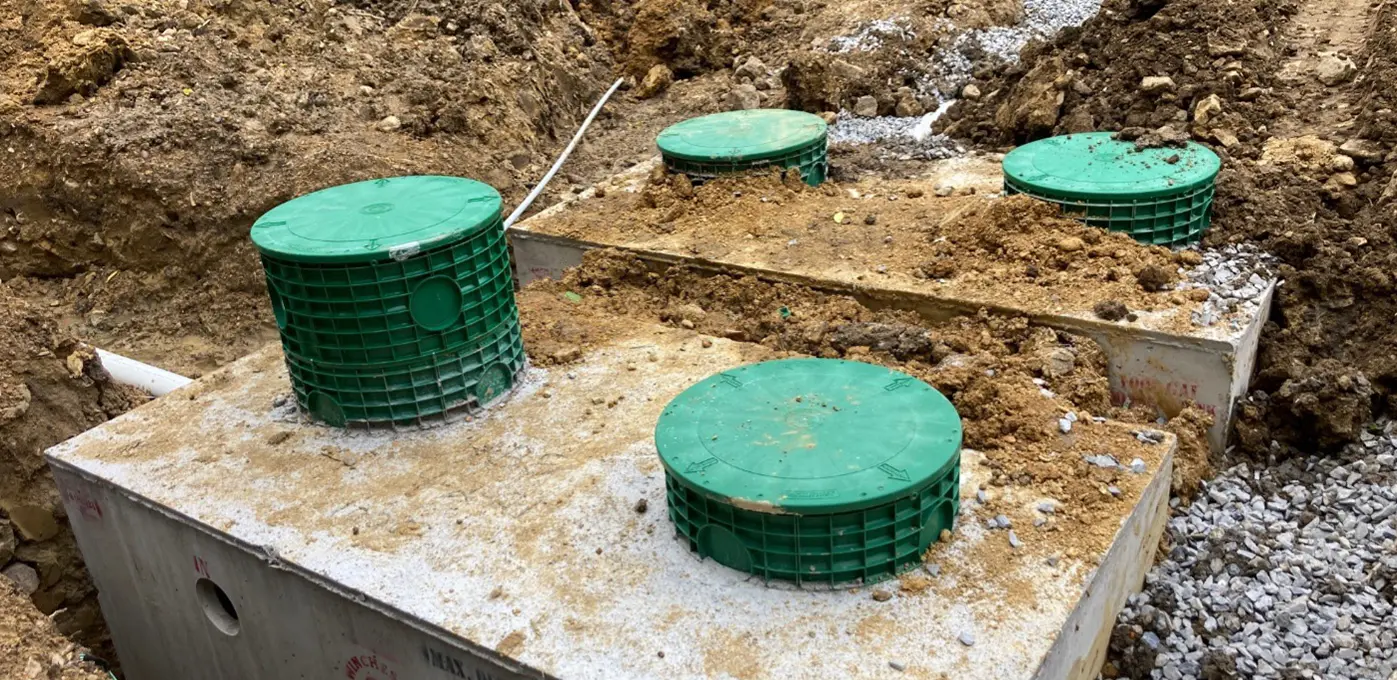
The Virginia Department of Health (VDH) establishes minimum standards for onsite wastewater disposal, methods of practice, and quantitative and qualitative standards. Local counties can individually amend more stringent local regulations and blend county subdivision ordinance with the onsite wastewater disposal regulations.
A number of parameters involving soil type, depth, structure, color, consistency, and texture determine a property’s ability to absorb, treat, and dispose of wastewater. Other property characteristics including topography, landscape, proximity to other onsite wastewater disposal systems and potable wells, determine the location, size, and type of drainfield that may be approved for the particular property.
Conventional or Alternative Systems
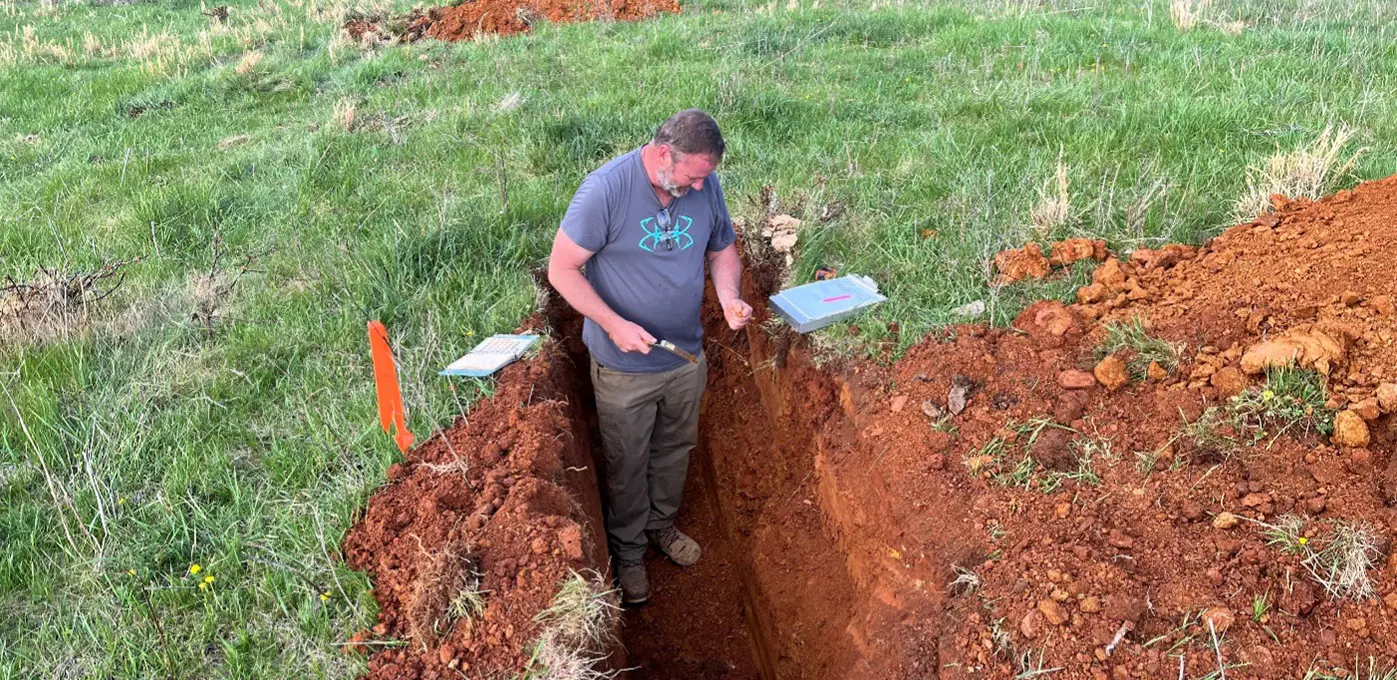
Conventional onsite wastewater disposal is defined as a system that consists of a septic tank, distribution box, and buried wastewater percolation lines. More stringent regulations designed to ensure that wastewater contaminants do not re-interface with surface and ground water have resulted in some properties being unable to satisfy the requirements for a conventional system.
The recent advent of alternative wastewater onsite treatment technology has created a range of options for sites that do not have the soils characteristics desirable for conventional wastewater disposal.
Do I need a Certification Letter or Permit?
A certification letter provides recorded documentation that an approved onsite wastewater disposal site exists for the property. A certification letter is transferable to a prospective buyer and is desirable if you are not planning to build within the next 18 months. A certification letter is good indefinitely as long as the property is not altered or disturbed.
| Certification Letter | Sewage Construction Permit | |
|---|---|---|
| Definition | Cert Letter certifies that the HD has approved a drainfield site on the property. Does not guarantee the type of system. | Permit is required in order to install septic system (and is needed before homeowner can apply for building permit for house construction). |
| Planning to build within the next 18 months? | No. Apply for cert letter. | Yes. Apply for permit. |
| Expiration Date | No expiration date. However, certification letter can be void if the drainfield is disturbed or property lines change. | 18 months from date of issue |
| Planning to sell the property? | Yes. Cert letter is transferable. Seller can transfer certification letter to new owner at time of sale. | Permits are now transferable. |
I’m Going to Build,
What’s Next?
After the soil evaluation and survey plat is complete, Greenway will then prepare a septic design plan consistent with both state and local regulations and prepare the application to submit to the local health department to request a well and septic construction permit. Greenway also provides Professional Engineering Alternative Septic Designs.
Once the construction permit is approved, it is then valid for 18 months. After the septic system is installed, Greenway will complete a final inspection to ensure it was installed in compliance with the approved plans and with all VDH and county regulations.
At Greenway, client communication is a priority. We listen to your needs and provide you with the highest quality of service, keeping you informed of the progress of your project every step of the way.
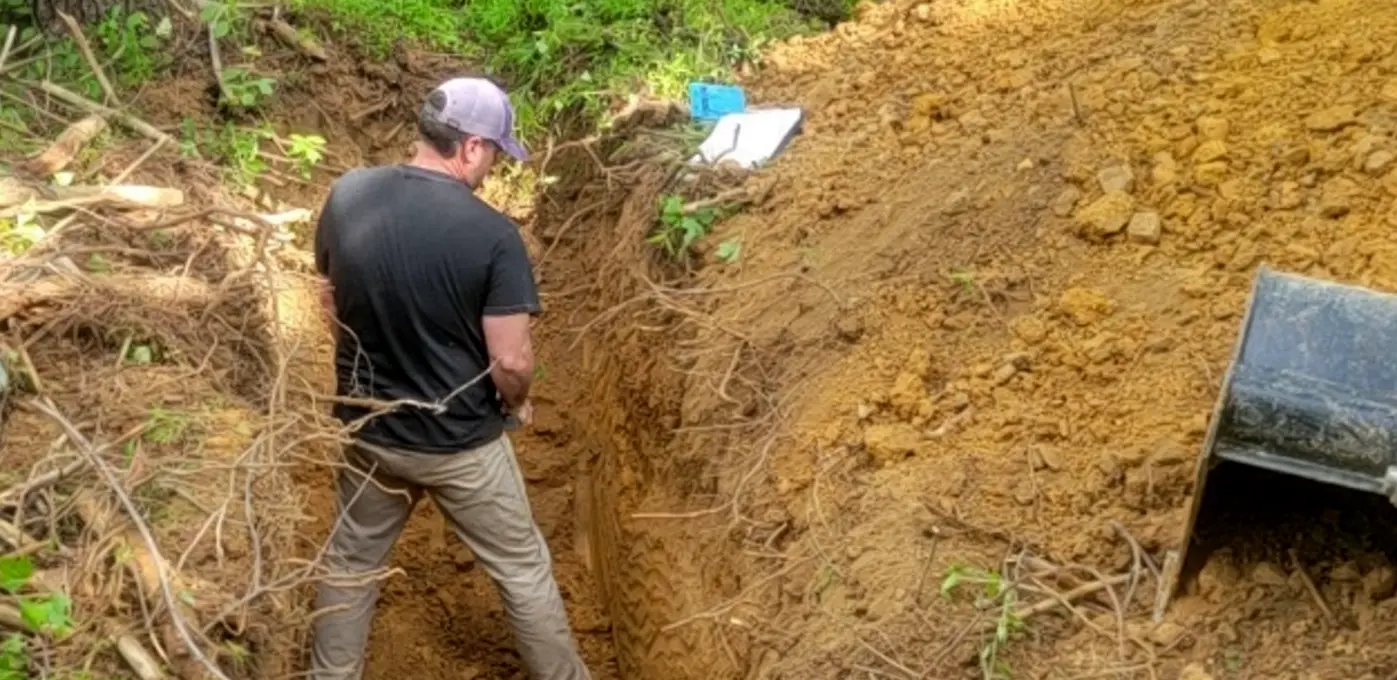
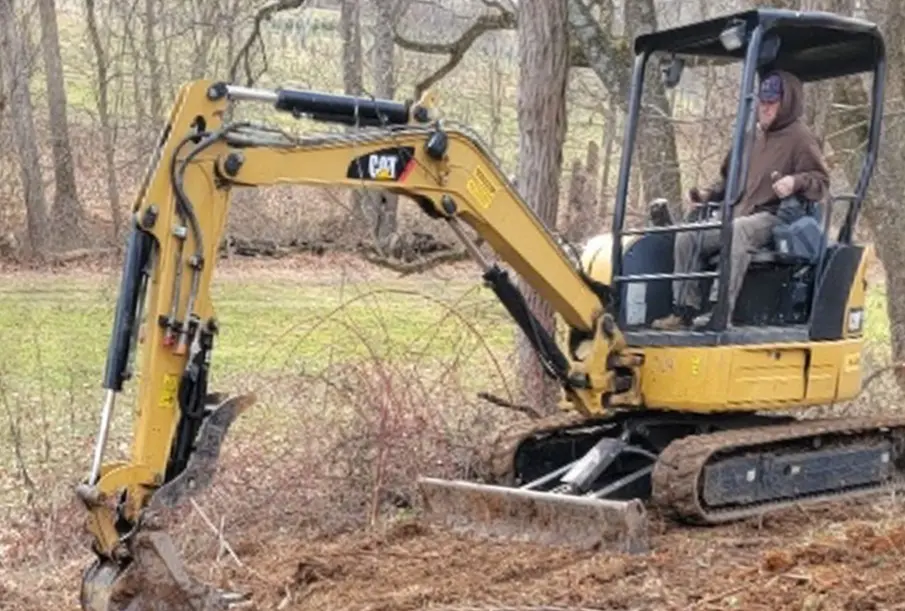
Greenway provides all the necessary services for your project from the soil evaluation, backhoe excavation of the test pits, septic design (both OSE and PE) and final inspection services. We also work with both our in-house survey department and outside surveyors to make sure your project runs smoothly so we are a ONE STOP SHOP.

Additional Services
Excavator Services
K-Stat Studies
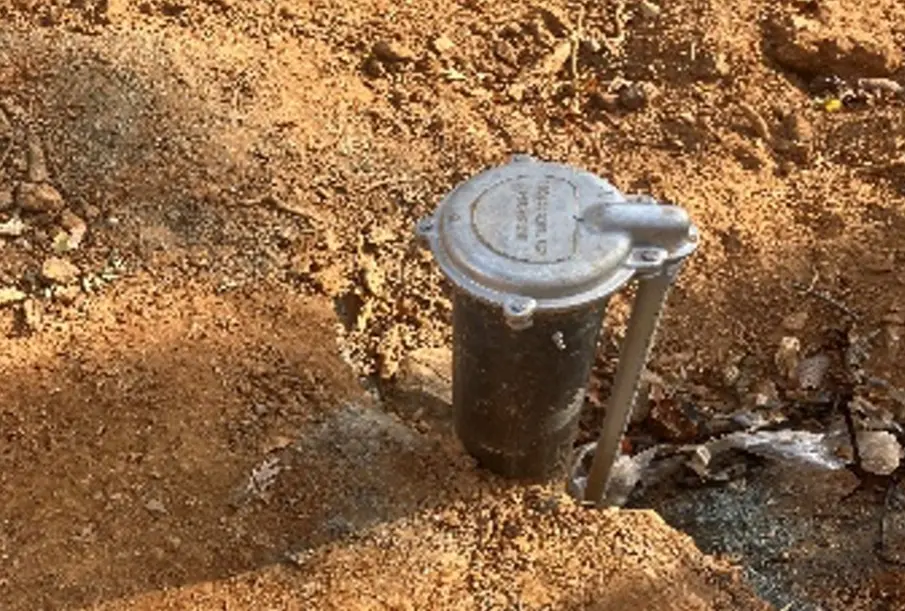
Well Location Services
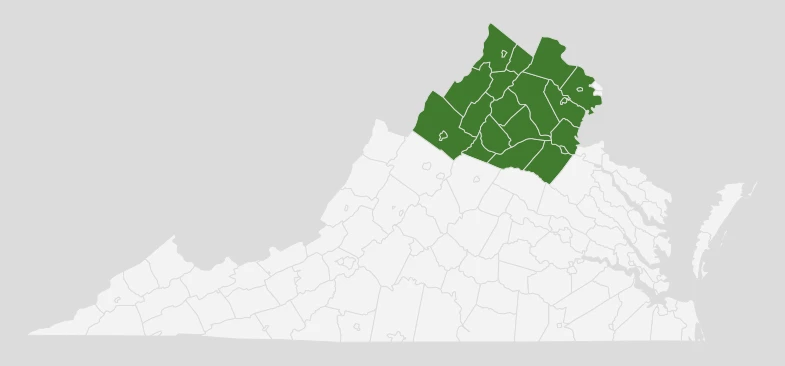
Soil & Site Evaluation Service Area
Full List of Soil & Site Evaluations
FAQs
About Soil and Site Evaluations
The percolation test is a field procedure conducted in the soil horizon(s) selected for installation of the
proposed subsurface soil absorption system for the purpose of observing the rate that clean water will permeate
the soil under saturated conditions. The test provides a method for approximating the actual movement of
wastewater through the soil which will occur during operation of the subsurface soil absorption system.
Household septic tanks should be pumped every three to five years. Why?
- To prevent too much sludge from accumulating in the tank, which prevents settling before sewage flows to the drainfield.
- To maximize the life of the septic tank.
- To prevent the discovery of a septic system failure by the experience of untreated sewage backing up into the house.
A COSS is defined as “a treatment works system consisting of one or more septic tanks with gravity, pumped, or siphoned conveyance to a gravity sub surface drainfield.” A typical COSS in Virginia consist of a sewer line, a septic tank, a conveyance line, a distribution box, header lines, and multiple absorption trenches. In most cases these components are not visible from the surface. If the COSS requires a pump you may notice a riser typically 24 inches in diameter and roughly 12 inches above the ground surface. An AOSS is defined as “a treatment works system that is not a conventional onsite sewage system and does not result in a point source discharge.” A typical AODD in Virginia consist of a sewer line, septic tank/trash tank, treatment unit, pump chamber, conveyance line, distribution system, and absorption field (trenches, pad, drip tubing, etc.). However, the exact set of components that make up your system will be site specific. These specific components are covered in your Operation and Maintenance Manual (O&M Manual). Alternative onsite sewage systems typically, but not always, have multiple components visible from the ground surface. If you have questions about the AOSS serving your property, you may contact the designer of the system, a licensed alternative onsite sewage system operator or the local health department. Direct discharge systems require a VPDES permit from DEQ, and typically discharge directly from the treatment unit to a dry ditch or stream. Operation and maintenance of direct discharge systems are covered under separate regulations.
Records on file with the local health department indicate that you are the owner of a property served by an Alternative Onsite Sewage System (AOSS). The letter was meant to provide you with information regarding owner responsibilities and proper operation and maintenance of your AOSS under the Regulations for Alternative Onsite Sewage Systems (12 VAC 5-613-20 et. Seq.: the AOSS Regulations).
The best place to find information concerning your particular AOSS is your O&M Manual. Your O&W Manual should be written to be easily understood by any potential owner and should include: 1. Basic information on the AOSS design including treatment unit capacity, installation depth, pump operating conditions, a list of the components comprising the AOSS, a dimensioned site layout, sampling locations, and contact information for replacement parts for each unit process: 2. A list of any control functions and how to use them; 3. All operation, maintenance, sampling, and inspection schedules for the AOSS, including any requirements that exceed the minimum requirements of the AOSS Regulations; 4. The performance (laboratory) data sampling and reporting schedule; 5. The limits of the AOSS design and how to operate the system within those design limits; 6. Other information deemed necessary or appropriate by the designer. If you have not already received a copy of your O&M Manual, or have lost the original, a copy can be attained by contacting the designer of the system, a licensed alternative onsite sewage system operator or the local health department.
Reference: www.vdh.virginia.gov